
Are Cloud Certificates Worth It?
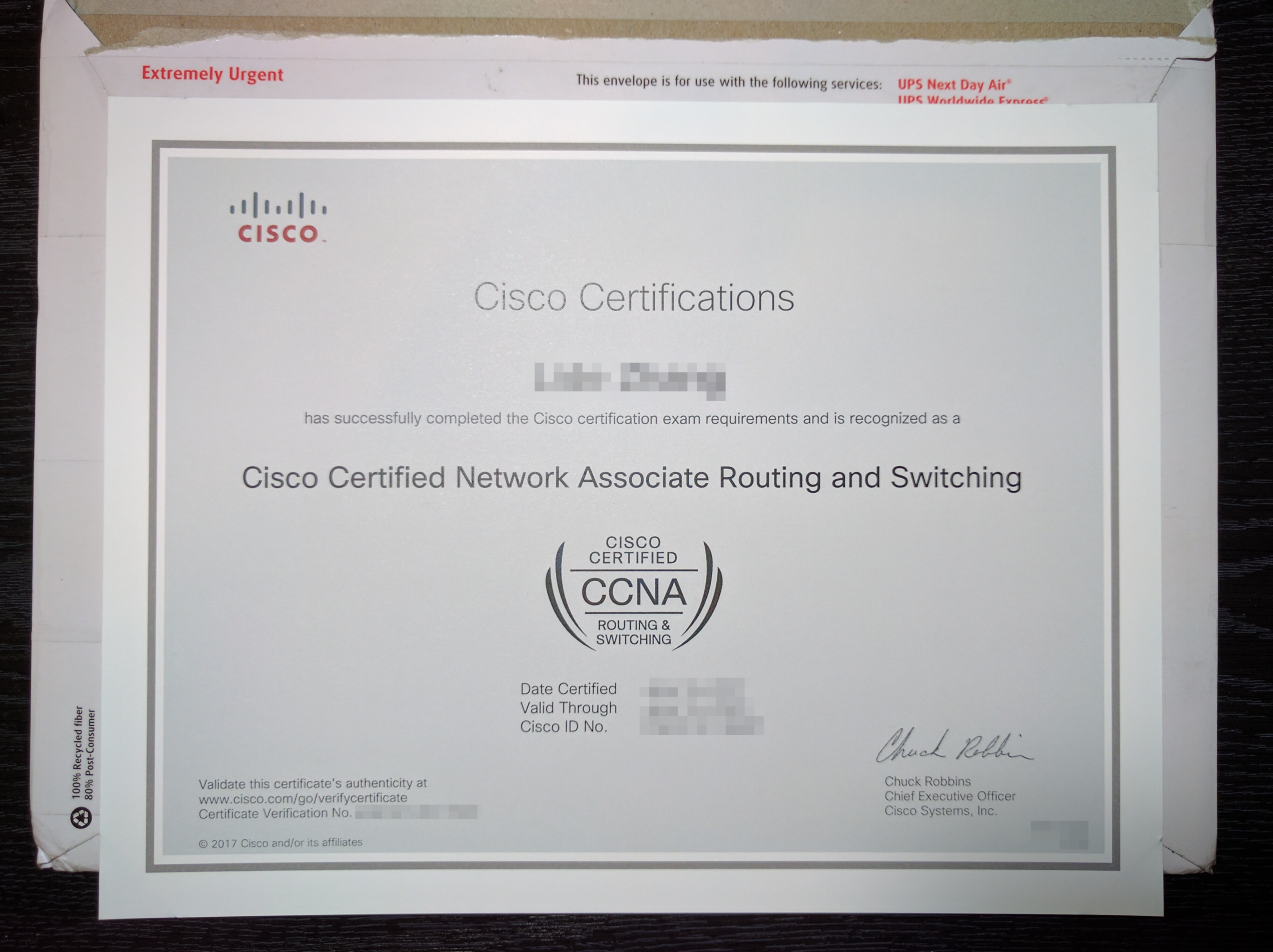
Certificates from platforms like Coursera (often partnered with universities or tech leaders like IBM and Google) and official credentials from AWS, Azure, and Google Cloud Platform (GCP) promise to validate skills, open doors, and boost salaries. Yet in an AI-assisted era where tools like GitHub Copilot and Terraform automate routine tasks, do these credentials still deliver real value—or are they just expensive badges?
The answer depends on your career stage, experience level, and goals. Entry-level or career-switchers benefit hugely from structured, affordable programs that build portfolios. Mid-to-senior DevOps engineers gain an edge with vendor-specific pro-level certs that signal deep expertise in high-demand environments. A 2026 analysis shows certified cloud professionals often see 20-35% salary premiums and faster hiring, but hiring managers emphasize practical projects and real-world impact over paper alone. Generic or entry-level certs risk becoming “useless” without hands-on application.
This article examines two main categories—educational platform certificates (Coursera and similar) and official cloud provider credentials—focusing on their relevance to DevOps and cloud engineering roles. We’ll cover content, costs, durations, pros/cons, and 2026 ROI to help you decide if they’re worth pursuing.
Educational Platform Certificates: Flexible, Prestigious Foundations
Coursera and similar platforms offer accessible, project-based certificates that combine theory with practice. Many partner with prestigious universities or industry giants, lending credibility without the cost of a full degree. These are ideal for beginners or those transitioning into DevOps/cloud roles, providing self-paced learning at ~$49/month via Coursera Plus.
A standout is the IBM DevOps and Software Engineering Professional Certificate. This 3-6 month program (10 hours/week) covers Agile, Scrum, CI/CD pipelines, Python automation, cloud-native apps, Docker, Kubernetes, Jenkins, GitHub Actions, and security practices. It includes hands-on labs and capstones like building automated deployment pipelines. For those with programming experience, the shorter IBM Applied DevOps Engineering Professional Certificate (under 3 months) skips basics and dives straight into advanced tools. Both are beginner-to-intermediate friendly and emphasize the DevOps culture shift—collaboration, automation, and continuous improvement.
Another strong option is the University of Illinois Cloud Computing Specialization (5 courses). This academically rigorous program explores distributed systems, cloud concepts, big data, networking, and applications. It’s partnered with a top university, giving it prestige that stands out on resumes for roles requiring deep architectural understanding. Completion takes 1-3 months and builds foundational knowledge perfect for DevOps engineers designing scalable infrastructure.
Google Cloud also offers the Preparing for Google Cloud Certification: Cloud DevOps Engineer Professional Certificate (5 courses). It directly prepares you for the official GCP exam while teaching SRE principles, monitoring with Prometheus and Grafana, CI/CD on Cloud Build, and performance optimization. Learners gain confidence with real Google Cloud labs.
Pros of these certificates are huge: low cost (often $150-300 total), flexible pacing, portfolio projects that demonstrate skills to employers, and partnerships that add weight (IBM for enterprise relevance, Illinois for academic credibility). In 2026, with DevOps demand soaring, they help pass ATS filters and provide structured paths without prerequisites. Many learners report quick upskilling and confidence boosts—87% of Google Cloud-prepared users feel more job-ready.
Cons exist too. They’re not vendor-deep enough for specialized roles and can feel theoretical without additional personal projects. Experienced engineers may find them redundant. Critics note that in 2026, basic “vocabulary” certs add little value; real impact comes from applying concepts to production-like environments. Still, for newcomers or upskillers, these deliver excellent ROI—many land junior DevOps or cloud support roles within months.
Cloud Provider Certificates: Vendor-Specific Expertise That Pays
Official certifications from AWS, Azure, and GCP validate hands-on mastery of their ecosystems—critical since most enterprises run multi-cloud or single-vendor stacks. These are exam-focused, technical, and geared toward mid-level DevOps engineers. They often lead to immediate salary bumps and role promotions.
AWS Certified DevOps Engineer – Professional tops many 2026 lists. Priced at $300 (180-minute exam, 75 questions), it’s valid for 3 years and covers CI/CD with CodePipeline, IaC with CloudFormation, monitoring, security, and high-availability architectures. Recommended for those with 2+ years AWS experience, it’s ideal for AWS-heavy DevOps roles. Certified professionals report average salaries of $140,000–$150,000 in the US, with up to 25-35% boosts. It ranks among the highest-ROI certs because AWS dominates market share—proving you can automate at scale directly translates to production value.
Microsoft’s Azure DevOps Engineer Expert (AZ-400) costs $165 (150 minutes) and is renewable annually. It focuses on designing source control strategies, build/release pipelines (Azure DevOps + GitHub), security/compliance, and instrumentation. Often paired with a prerequisite like AZ-104, it suits teams using Azure for enterprise DevOps. Salaries for certified Azure DevOps experts average $98,000–$196,000 depending on experience, with strong demand in hybrid-cloud setups.
Google Cloud Professional Cloud DevOps Engineer runs $200 (2-hour exam, 50-60 questions) and requires 3+ years industry experience (1+ in GCP). It emphasizes SRE practices, site reliability, monitoring, CI/CD with Cloud Build, and cost/performance optimization. Valid for 2 years, it’s perfect for modern, containerized environments. Salaries range $120,000–$160,000, with high regard in AI/ML-heavy organizations.
Pros: These certs are gold for specific job markets—employers recognize them instantly, and they demonstrate production-ready skills that boost credibility and pay. In 2026, with DevOps evolving into platform engineering and GitOps, these credentials help you stand out and command premium roles. Many report the investment pays for itself in 2-3 months via raises or new offers.
Cons: They’re vendor-locked (less portable across clouds), exams are challenging (high failure rates without prep), and renewal fees add up. Entry-level versions (like AWS Cloud Practitioner or Azure AZ-900) are increasingly seen as weak signals in 2026—focus on professional-level instead. They also assume prior experience, so beginners should start with Coursera paths first.
Conclusion: Worth It—If You Choose Wisely and Apply Immediately
In 2026, cloud certificates are absolutely worth it when they align with your path. Beginners and career changers should start with affordable Coursera programs (IBM DevOps or Google Cloud prep) for structured learning and projects. Experienced DevOps pros will see the biggest ROI from vendor professional certs like AWS DevOps Engineer or GCP Cloud DevOps Engineer, especially in single-cloud environments.
The key? Treat certificates as launchpads, not endpoints. Pair every credential with a personal GitHub portfolio—real pipelines, IaC repos, or open-source contributions. In an AI-automated world, employers value engineers who understand trade-offs, security, and business impact over rote knowledge.
Ultimately, the right cloud certificate can accelerate your DevOps career, increase earnings by 20%+, and future-proof your skills in a market projected to keep growing explosively. Invest strategically, apply relentlessly, and the return will be clear.



