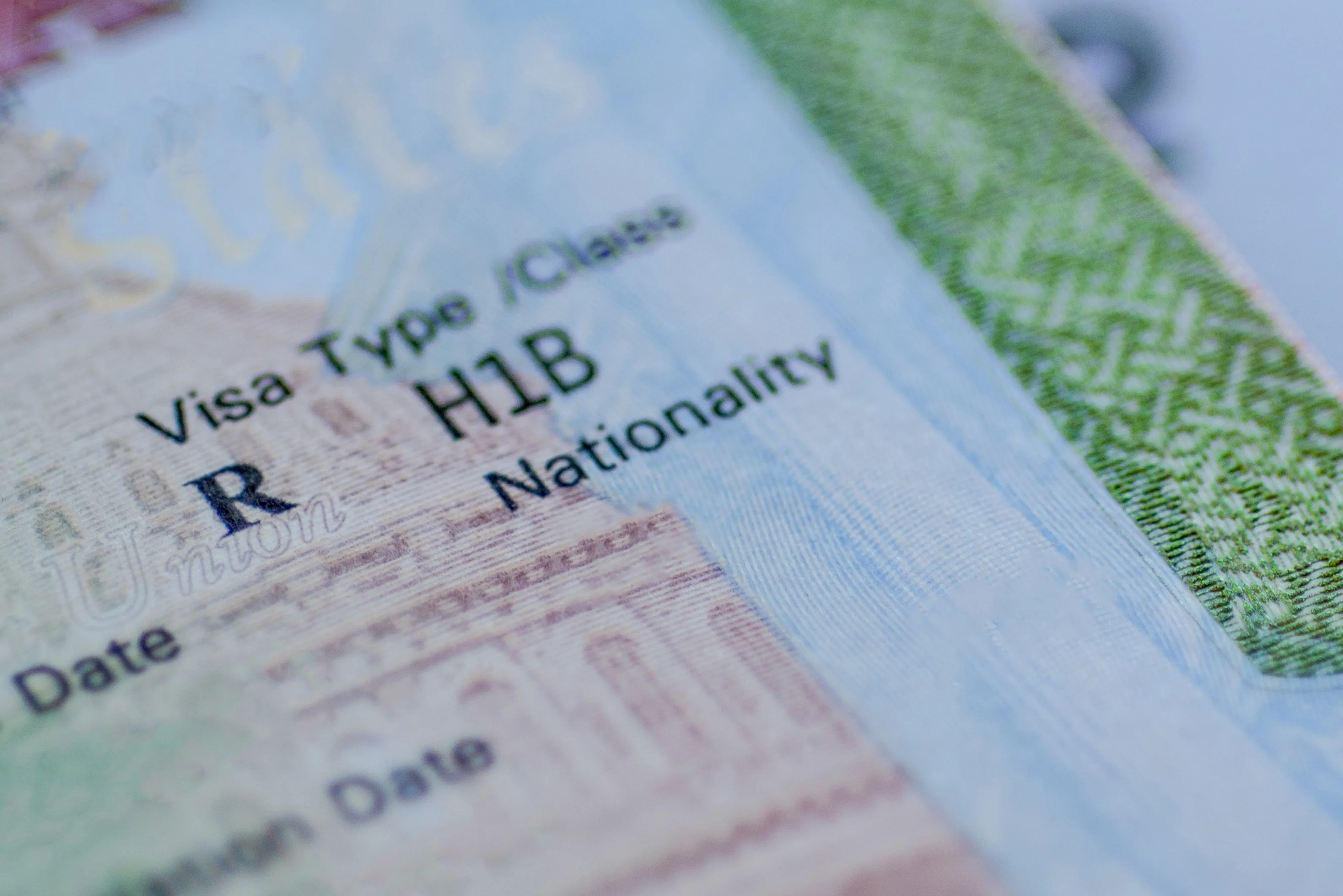
Economic Impacts: Growth Slowdown and Workforce Reduction
Proponents of the reforms, including the Trump administration, argue that the H-1B program has been abused by outsourcing firms to undercut U.S. wages. The proclamation cites rising unemployment in computer occupations—climbing from 2% in 2019 to over 3% in 2025—and examples of tech giants laying off thousands while securing H-1B approvals. By imposing the hefty fee and prioritizing higher-skilled, higher-paid roles via the weighted selection (where Level III/IV wages get up to 4x the odds), the policies seek to ensure foreign talent complements rather than replaces domestic workers.
However, early economic projections paint a bleaker picture. The National Foundation for American Policy (NFAP) estimates that Trump's immigration policies, including H-1B restrictions, have already reduced projected legal immigration by over 600,000 in his second term. This could slash the U.S. workforce by 6.8 million by 2028 and 15.7 million by 2035, lowering annual GDP growth by nearly one-third. Critics warn of a "brain drain," with the U.S. losing competitiveness in STEM fields. A Forbes outlook predicts continued reductions in legal immigration will harm economic growth, exacerbating labor shortages in tech amid an aging population.
Quantitatively, H-1B approvals have dipped sharply. Pre-crackdown, denial rates hovered at 3-4% for strong cases; post-proclamation, new offshore petitions plummeted by an estimated 40-50% in Q4 2025, per immigration law firm data. The $100,000 fee—far exceeding prior costs of $2,000-$5,000—has deterred mass filings, particularly by Indian IT consultancies like Infosys and Tata Consultancy Services (TCS), which historically dominate H-1B usage. Stock markets reacted swiftly: Indian IT firms saw shares drop 3-4.5% in September 2025, reflecting investor fears over disrupted U.S. operations. (post:20 for the image/description, but citing web where possible)
Industry Shifts: Offshoring Acceleration and Talent Reallocation
The tech sector, employing over 500,000 H-1B holders (75% from India), bears the brunt. Companies like Amazon, Google, and Microsoft—top H-1B sponsors—face heightened costs and scrutiny, including enhanced audits and site visits under "Project Firewall" by the Department of Labor. In response, firms are pivoting: Big Tech added approximately 32,000 jobs in India in 2025, expanding Global Capability Centers (GCCs) to offset U.S. restrictions. TeamLease reports India's GCC count could grow to 2,400 by 2030, minimizing H-1B dependency. (post:7)
Smaller firms and startups, unable to absorb the $100,000 fee, are hit hardest. The U.S. Chamber of Commerce, in its lawsuit (upheld in December 2025 but under appeal), argued the policy disproportionately burdens innovators, potentially stifling entrepreneurship. Alternatives like O-1 visas for "extraordinary ability" have surged, but their stringent criteria limit accessibility. Meanwhile, third-party contracting—common in IT—faces extra scrutiny, with experts predicting a shift to nearshoring in Canada or Mexico.
The weighted lottery, set for the FY 2027 cap season (registrations in March 2026), will further tilt toward premium roles. While lower-wage positions remain eligible, their odds drop dramatically, favoring Silicon Valley elites over outsourcing giants. This could boost U.S. wages in entry-level tech jobs but exacerbate skills gaps in AI and cybersecurity, where domestic talent lags.
Human and Geopolitical Ramifications: Worker Insecurity and Strained Ties
For foreign workers, the crackdown breeds uncertainty. Indian professionals, comprising 70-80% of H-1B recipients, face barriers to entry and extensions. JPMorgan urged H-1B holders abroad to return before September 21, 2025, highlighting the chaos. (post:21) Many on Optional Practical Training (OPT) post-graduation see dimmer prospects, with international student enrollments potentially declining.
Geopolitically, the policy strains U.S.-India relations. U.S. lawmakers urged Trump to reconsider, warning of damage to bilateral ties amid India's $283 billion IT sector's reliance on U.S. clients. (post:9) Media reports frame it as a "fresh blow" to diplomacy, with Andhra Pradesh and Telangana governments expressing concerns over job losses. (post:14) Critics like Bernie Sanders support reforms via bills like the H-1B and L-1 Visa Reform Act, but warn of unintended offshoring.
Broader Implications and Future Outlook
Legal battles persist: The D.C. Circuit Court's expedited appeal of the fee's upholding signals ongoing contention. Exemptions for "national interest" roles offer loopholes, but their narrow scope limits relief. Broader reforms, like revising prevailing wages, loom under Labor Secretary nominees.
In sum, the crackdown achieves "America First" goals by curbing low-wage imports but risks innovation stagnation and ally alienation. As the weighted system debuts, 2026 will test whether these changes foster domestic hiring or accelerate global talent shifts. For now, the H-1B's transformation underscores a pivotal tension: balancing worker protections with economic vitality in a interconnected world.