
Not All ORMs Are Made Equal
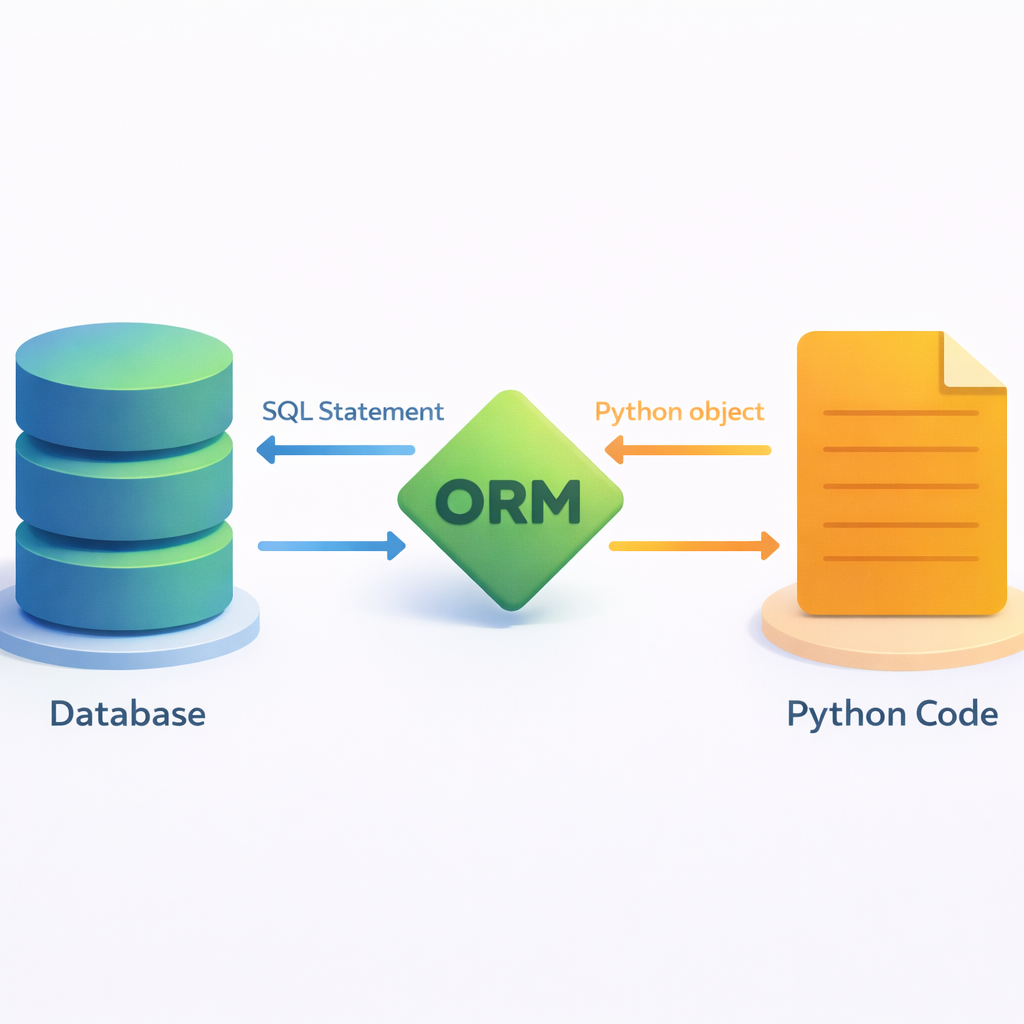
The honest answer in 2026 is that there is no universal winner. The “best” ORM depends on your programming language, project scale, performance needs, team expertise, and deployment environment. A startup building a TypeScript SaaS app prioritizes developer experience (DX) and type safety, while an enterprise Java system values maturity and advanced caching. This article compares the leading ORMs, evaluates them against key criteria, and provides clear recommendations to help you decide.
What Makes an ORM “The Best”?
Several factors determine quality:
Ease of use and learning curve: Intuitive APIs and excellent documentation speed up development.
Performance: Query efficiency, connection pooling, and overhead matter for high-traffic apps.
Type safety: Especially critical in TypeScript or statically typed languages to catch errors at compile time.
Features: Schema management, migrations, relationships, caching, transactions, and raw SQL escapes.
Database support: Broad compatibility (PostgreSQL, MySQL, SQLite, SQL Server, etc.).
Community and ecosystem: Active maintenance, integrations with frameworks (Next.js, Spring Boot, Django, NestJS), and tools like Prisma Studio or EF Core Power Tools.
Bundle size and serverless friendliness: Vital for edge functions and cold-start-sensitive deployments.
Recent 2025–2026 benchmarks and developer surveys highlight a shift toward modern, type-safe ORMs in JavaScript/TypeScript, while established players dominate enterprise stacks.
Leading ORMs by Ecosystem
TypeScript / Node.js (The Hottest Battleground)
The JS/TS ecosystem leads innovation in 2026. Top contenders include:
Prisma: Schema-first, auto-generates a fully typed client. Excels in DX with intuitive queries, built-in migrations, and Prisma Studio for visual data exploration.
Drizzle ORM: SQL-first, lightweight, and blazing fast. Uses TypeScript to mirror SQL syntax closely, ideal for performance-critical or serverless apps.
TypeORM: Decorator-based, enterprise-ready with Active Record and Data Mapper patterns. Mature but heavier than newer alternatives.
Sequelize: Battle-tested classic with strong community support, but feels dated compared to Prisma or Drizzle.
MikroORM: Unit-of-Work and Identity Map patterns for complex domain models; gaining traction for enterprise TS.
Consensus from 2025 comparisons (Strapi, Bytebase, and independent benchmarks): Prisma dominates for rapid development and most new projects, while Drizzle wins for raw speed and edge deployments.
Java
Hibernate (JPA standard): Still the gold standard for enterprise. Powerful caching (second-level cache), complex mappings, and seamless Spring Boot integration. High learning curve but unmatched in large-scale systems.
.NET / C#
Entity Framework Core (EF Core): Microsoft’s flagship. Excellent LINQ integration, migrations, and performance in 2025+ versions. Best for Windows/Azure ecosystems or teams already in the Microsoft stack.
Python
SQLAlchemy: The most flexible. Offers both high-level ORM and low-level Core for precise SQL control. Pairs perfectly with Alembic migrations. Django ORM is simpler for framework-locked projects.
Other notable mentions: Doctrine (PHP), GORM (Go), and Diesel/SeaORM (Rust). For most web developers, however, the conversation centers on the TS/Node.js leaders or language-native giants like Hibernate and EF Core.
Head-to-Head Comparison
Here’s how the top four modern contenders stack up (focusing on 2025–2026 real-world data):
| ORM | Language | Type Safety | Performance | Learning Curve | Migrations & Schema | Best For | Drawbacks |
|---|---|---|---|---|---|---|---|
| Prisma | TS/Node.js | Excellent | Very Good | Low-Moderate | Schema-first, excellent | Startups, SaaS, full-stack TS | Less SQL control; heavier for complex joins |
| Drizzle | TS/Node.js | Excellent | Excellent | Moderate | SQL-first, lightweight | Serverless, performance-critical | Steeper if you dislike raw SQL style |
| TypeORM | TS/Node.js | Good | Good | Moderate | Decorator-based | Enterprise TS with complex domains | Larger bundle, occasional quirks |
| Hibernate | Java | Good (with JPA) | Excellent (with tuning) | High | Flexible + Flyway/Liquibase | Large Java enterprises | Heavy object graphs if misused |
| EF Core | .NET | Excellent (LINQ) | Excellent | Moderate-High | Code-first or database-first | Microsoft/Azure stacks | Less flexible outside .NET |
| SQLAlchemy | Python | Good | Excellent (Core) | Moderate-High | Alembic | Data-heavy Python apps | Requires discipline to avoid N+1 |
Pros, Cons, and Real-World Use Cases
Prisma
Pros: Unmatched DX, auto-complete everywhere, safe relations, excellent error messages.
Cons: Schema changes require migration steps; advanced SQL sometimes needs raw queries.
Use when: Building MVPs, Next.js apps, or any project where developer velocity is king. Many 2025 reviews call it the “default choice” for new Node.js backends.
Drizzle ORM
Pros: Closest to writing SQL while staying type-safe; tiny bundle; superior serverless performance; full SQL control.
Cons: Slightly more verbose for simple CRUD.
Use when: High-traffic APIs, edge functions, or teams that love SQL but want TypeScript safety. 2025–2026 NestJS and serverless guides increasingly crown Drizzle the winner for production-grade apps.
TypeORM
Pros: Mature features, decorator syntax familiar to Java/.NET devs.
Cons: Larger footprint, occasional performance pitfalls.
Use when: You need enterprise patterns and already have a TypeORM codebase.
Hibernate / EF Core
These remain unbeatable in their ecosystems. Hibernate handles massive transactional systems with ease; EF Core integrates perfectly with Azure and LINQ. Choose them if you’re locked into Java or .NET.
SQLAlchemy
Pros: Ultimate flexibility—use ORM for 80% and Core for the rest.
Cons: Powerful but complex; easy to create N+1 queries without care.
Use when: Python data pipelines, analytics, or any project needing both abstraction and raw power.
Some developers in 2026 are even moving away from full ORMs toward “Raw + Dataclasses” patterns in Python or plain SQL with type-safe builders. However, for most teams, a well-chosen ORM still saves weeks of development time.
How to Choose the Right ORM in 2026
1. New TypeScript project? Start with Prisma for maximum speed to market. Switch to Drizzle if you hit performance ceilings or prefer SQL-like syntax.
2. Serverless or edge-first? Drizzle is the clear 2026 winner.
3. Enterprise Java or .NET? Stick with Hibernate or EF Core—don’t reinvent the wheel.
4. Python-heavy? SQLAlchemy gives you the best of both worlds.
5. Legacy system? Sequelize or TypeORM may be safer for gradual migration.
Consider team size too: Smaller teams love Prisma’s simplicity; larger teams appreciate Drizzle’s or Hibernate’s control. Always prototype with your actual schema and queries—benchmarks are useful, but real-world N+1 issues or migration pain points only appear in practice.
Conclusion: The Best ORM Is the One That Fits You
In 2026, Prisma edges out as the most recommended ORM for the majority of new web and SaaS projects thanks to its phenomenal developer experience, type safety, and ecosystem momentum. For performance-critical or serverless workloads, Drizzle ORM is rapidly becoming the future-proof choice. Established giants like Hibernate, EF Core, and SQLAlchemy continue to dominate their respective ecosystems and will remain “best” for those stacks for years.
The key takeaway? Stop chasing the mythical single best ORM. Evaluate your language, scale, and priorities, run a small proof-of-concept, and pick the tool that makes your team most productive. The right ORM doesn’t just map objects to tables—it accelerates your entire development cycle.
Whichever you choose, master its quirks, write efficient queries, and always keep an eye on raw SQL escapes for edge cases. In the end, the best ORM is the one you barely notice—because it just works.



