Understanding Scrum Fundamentals
At its core, Scrum is built on empiricism: transparency, inspection, and adaptation. Work is organized into time-boxed iterations called Sprints, typically lasting two to four weeks. During each Sprint, the team commits to delivering a potentially shippable product increment. This iterative cycle allows for rapid pivots based on real-world feedback, reducing the risk of building the wrong thing.
Scrum's pillars—transparency (making work visible), inspection (regularly checking progress), and adaptation (adjusting based on insights)—ensure that teams stay aligned with business goals. In tech, where requirements evolve with market trends like AI integrations or cloud migrations, this flexibility is invaluable. Unlike traditional waterfall methods, Scrum embraces change, making it ideal for dynamic projects such as app development or DevOps pipelines.
Key Roles in Scrum
Effective Scrum hinges on clearly defined roles, each with distinct responsibilities to foster accountability without micromanagement.
- Product Owner (PO): The visionary who maximizes the product's value. In a tech context, the PO prioritizes the Product Backlog—a dynamic list of features, bugs, and enhancements—based on user needs, business value, and technical feasibility. They act as the bridge between stakeholders and the team, ensuring that every Sprint delivers ROI. Tip: Empower your PO with data analytics tools to make informed decisions, like using A/B testing results to rank features.
- Scrum Master (SM): The facilitator and coach, not a project manager. The SM removes impediments, enforces Scrum rules, and helps the team improve processes. In tech teams, this might involve resolving CI/CD pipeline bottlenecks or coaching on pair programming. A great SM is a servant-leader, promoting self-organization while shielding the team from external distractions.
- Development Team: Cross-functional experts who do the actual work—developers, designers, testers, and more. Ideally 5-9 members to keep communication efficient, they collaborate to turn backlog items into working software. In tech, emphasize skills like full-stack development or automated testing to ensure the team can deliver end-to-end increments.
Assigning these roles isn't set in stone; rotate them if needed to build empathy and skills across the team.
Scrum Events: The Rhythm of Progress
Scrum's ceremonies provide structure without bureaucracy, keeping everyone synced.
- Sprint Planning: At the start of each Sprint, the team selects items from the Product Backlog to form the Sprint Backlog. Discuss "what" (goals) and "how" (tasks), estimating effort using story points or t-shirt sizes. In tech, integrate tools like Jira or Trello for visualization. Keep it to 8 hours max for a month-long Sprint.
- Daily Scrum: A 15-minute stand-up where team members share progress, plans, and blockers. Not a status report—focus on collaboration. Pro tip: Use a virtual whiteboard in remote setups to track impediments in real-time.
- Sprint Review: End-of-Sprint demo where the team showcases the increment to stakeholders. Gather feedback to refine the backlog. In tech blogs or products, this could mean live demos of new API endpoints or UI features, turning abstract code into tangible value.
- Sprint Retrospective: A reflective session to discuss what went well, what didn't, and action items for improvement. Tools like Retrium can facilitate anonymous input. This is where tech teams shine by analyzing metrics like velocity or code quality via SonarQube.
Time-box these events strictly to maintain momentum.
Scrum Artifacts: Tangible Outputs
Artifacts make progress visible and actionable.
- Product Backlog: An ordered list of everything needed in the product, refined continuously. Use grooming sessions to break down epics into user stories (e.g., "As a user, I want seamless login so I can access my dashboard quickly").
- Sprint Backlog: The plan for the Sprint, including tasks and acceptance criteria. Tech teams benefit from integrating it with version control like Git for traceability.
- Increment: The sum of all completed backlog items, always in a usable state. Aim for "Done" definitions that include testing, documentation, and deployment readiness.
Maintain these with digital tools to enhance collaboration, especially in distributed teams.
Best Practices for Tech Teams
To Scrum effectively, go beyond basics:
- Foster Psychological Safety: Encourage open dialogue in retrospectives. In tech, where imposter syndrome runs high, this builds innovation.
- Embrace Automation: Integrate Scrum with DevOps—automate builds, tests, and deployments to shorten feedback loops.
- Measure What Matters: Track velocity, burndown charts, and happiness metrics. Use data to adapt, not to blame.
- Scale When Needed: For larger orgs, consider frameworks like SAFe or LeSS, but start simple.
- Involve Stakeholders Early: Regular reviews prevent scope creep and align with market needs, crucial in tech's volatile landscape.
Hybrid approaches, like Scrumban (Scrum + Kanban), can suit teams with unpredictable workflows, such as support-heavy ops.
Common Pitfalls and Avoidance Strategies
Even seasoned teams stumble. Avoid these:
- Overcommitting: Teams often bite off more than they can chew. Counter: Use historical velocity for realistic planning.
- Neglecting Retrospectives: Skipping them stalls improvement. Mandate them and follow through on actions.
- Role Confusion: If the PO micromanages, clarify boundaries. Training sessions help.
- Tool Overload: Don't let tools dictate process—choose ones that fit, like Azure DevOps for Microsoft stacks.
- Resistance to Change: Tech folks love efficiency; frame Scrum as a tool for faster delivery to gain buy-in.
Address these proactively with coaching and metrics reviews.
Conclusion: Scrum as a Catalyst for Excellence
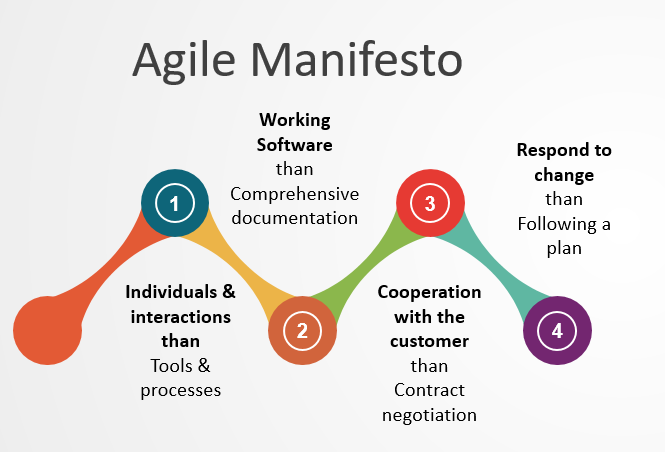
Scrum isn't a silver bullet, but when implemented effectively, it empowers tech teams to deliver faster, better, and with less waste. By focusing on people over processes, responding to change over following a plan, and delivering working software frequently, Scrum aligns perfectly with tech's innovative spirit. Start small: Pilot a Sprint, reflect, and iterate. Over time, you'll see improved morale, higher quality code, and delighted users.
Remember, effective Scrum is about adaptation—tailor it to your context, measure outcomes, and evolve. In a world where tech evolves at breakneck speed, mastering Scrum could be your team's superpower.