WHAT IS AN MVP?
Introduction
In the fast-paced world of technology and startups, the term "MVP" gets thrown around a lot. But what exactly is it? MVP stands for Minimum Viable Product—a concept that's revolutionized how entrepreneurs and developers bring ideas to life. At its core, an MVP is the simplest version of a product that can still deliver value to users while allowing creators to test assumptions and gather feedback with minimal effort and resources. It's not about building a half-baked app or gadget; it's about smart, strategic development that prioritizes learning over perfection.
The Origin of the MVP Concept
The idea of the MVP gained prominence through Eric Ries' influential book, The Lean Startup, published in 2011. Ries, drawing from his experiences in the tech industry, argued that traditional product development—where teams spend months or years perfecting a feature-rich product before launch—often leads to failure. Why? Because it assumes creators know exactly what users want without validating those assumptions. The MVP flips this script. Instead of aiming for a grand unveiling, you release a stripped-down version early, learn from real user interactions, and iterate based on data. This approach minimizes waste, reduces risk, and accelerates time to market.
Defining Minimum and Viable
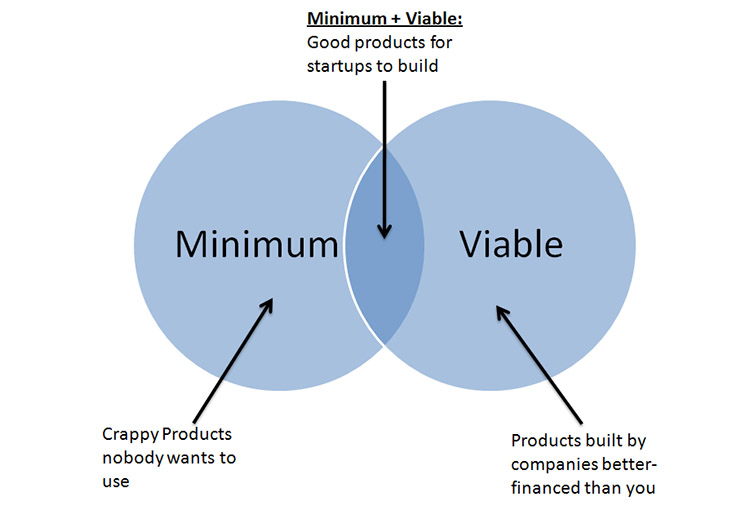
So, what makes a product "minimum" and "viable"? The "minimum" part means focusing only on the core features necessary to solve a specific problem. Think of it as the bare essentials—no bells, whistles, or nice-to-haves. For instance, if you're building a ride-sharing app, the MVP might just include user registration, ride requests, and basic matching with drivers—nothing like in-app payments or rating systems yet. The "viable" aspect ensures that even in this simplified form, the product provides real value and can attract early adopters. It has to work well enough to elicit genuine feedback, not frustrate users to the point of abandonment.
Viability isn't just about functionality; it's about addressing a pain point effectively. An MVP should test your hypothesis: "If we build this, will people use it?" This is where market validation comes in. By launching quickly, you can measure metrics like user engagement, retention rates, and conversion funnels. Tools like Google Analytics, Mixpanel, or even simple surveys can provide insights that guide future development. If the MVP flops, you've only invested a fraction of the time and money compared to a full product. If it succeeds, you have proof of concept to secure funding or scale up.
Benefits of Adopting an MVP Approach
The benefits of adopting an MVP mindset are numerous, especially in tech where trends shift rapidly. First, it fosters agility. In an era dominated by agile methodologies and DevOps, MVPs align perfectly with iterative sprints and continuous deployment. Teams can pivot based on feedback without overhauling massive codebases. Second, it democratizes innovation. Startups with limited budgets can compete against giants by validating ideas cheaply. Third, it builds user-centric products. By involving customers early, you ensure the final version resonates with their needs, leading to higher satisfaction and loyalty.
Real-World Examples of MVPs
Consider some real-world examples that illustrate the power of MVPs. Dropbox, now a cloud storage behemoth, started with a famously simple MVP. In 2007, founder Drew Houston created a video demo showing how the product would work—syncing files across devices—without building the actual software. He posted it on Hacker News, and the waiting list exploded from 5,000 to 75,000 overnight. This validated demand before coding began in earnest. Similarly, Airbnb's MVP was a basic website listing the founders' own apartment for rent during a conference in 2008. It wasn't pretty, lacked search filters or secure payments, but it proved people were willing to rent from strangers. Today, Airbnb is valued at billions.
Another classic is Zappos, the online shoe retailer acquired by Amazon. Founder Nick Swinmurn didn't stock inventory initially; his MVP was a website with photos of shoes from local stores. When orders came in, he'd buy the shoes retail and ship them. This low-tech approach confirmed consumer interest in online shoe shopping without massive upfront costs.
How to Build an MVP
Building an MVP isn't as straightforward as it sounds—it requires discipline. Start with problem identification: What user pain are you solving? Conduct market research through interviews, surveys, or competitor analysis to refine your idea. Next, define the core value proposition and prioritize features using tools like the MoSCoW method (Must-have, Should-have, Could-have, Won't-have). Sketch wireframes or prototypes with tools like Figma or Balsamiq to visualize the user flow.
Then, develop the MVP using lean tech stacks. For web apps, frameworks like React or Ruby on Rails allow rapid prototyping. Mobile? Flutter or React Native can get you cross-platform quickly. Integrate essential backend services via APIs from providers like Firebase or AWS Amplify to handle authentication and data storage without building from scratch. Test internally for bugs, then launch to a small audience—perhaps via beta invites on Product Hunt or Reddit.
Gathering feedback is crucial. Use A/B testing to compare variations, track user behavior with heatmaps from Hotjar, and encourage direct input through in-app prompts. Analyze the data: Are users dropping off at certain points? What features do they request most? Iterate accordingly, adding features incrementally in subsequent versions.
Common Pitfalls in MVP Development
Of course, pitfalls abound. A common mistake is making the MVP too minimal—viable means it must function reliably, or you'll get skewed feedback. Overloading it with features defeats the purpose, turning it into a "maximum viable product." Another error is ignoring feedback that contradicts your vision; ego can kill innovation. Also, don't skimp on security or scalability basics, even in an MVP, as early breaches can doom your reputation.
Challenges and Considerations
In regulated industries like fintech or healthtech, MVPs must comply with laws like GDPR or HIPAA from day one, adding complexity. Timing matters too—launch too early, and users might dismiss your product; too late, and competitors could overtake you.
Conclusion
Despite these challenges, the MVP approach has become a cornerstone of modern tech development. Companies like Spotify and Twitter (now X) iterated from humble MVPs to global platforms. In 2026, with AI and no-code tools like Bubble or Adalo, creating MVPs is easier than ever, lowering barriers for solo founders and small teams.
Ultimately, an MVP is more than a product—it's a philosophy. It encourages experimentation, embraces failure as a teacher, and puts users at the center. Whether you're a bootstrapped indie hacker or part of a venture-backed startup, starting with an MVP can turn wild ideas into viable businesses. So, next time you have a tech concept brewing, ask yourself: What's the smallest thing I can build to test if this flies? The answer might just launch your next big success.