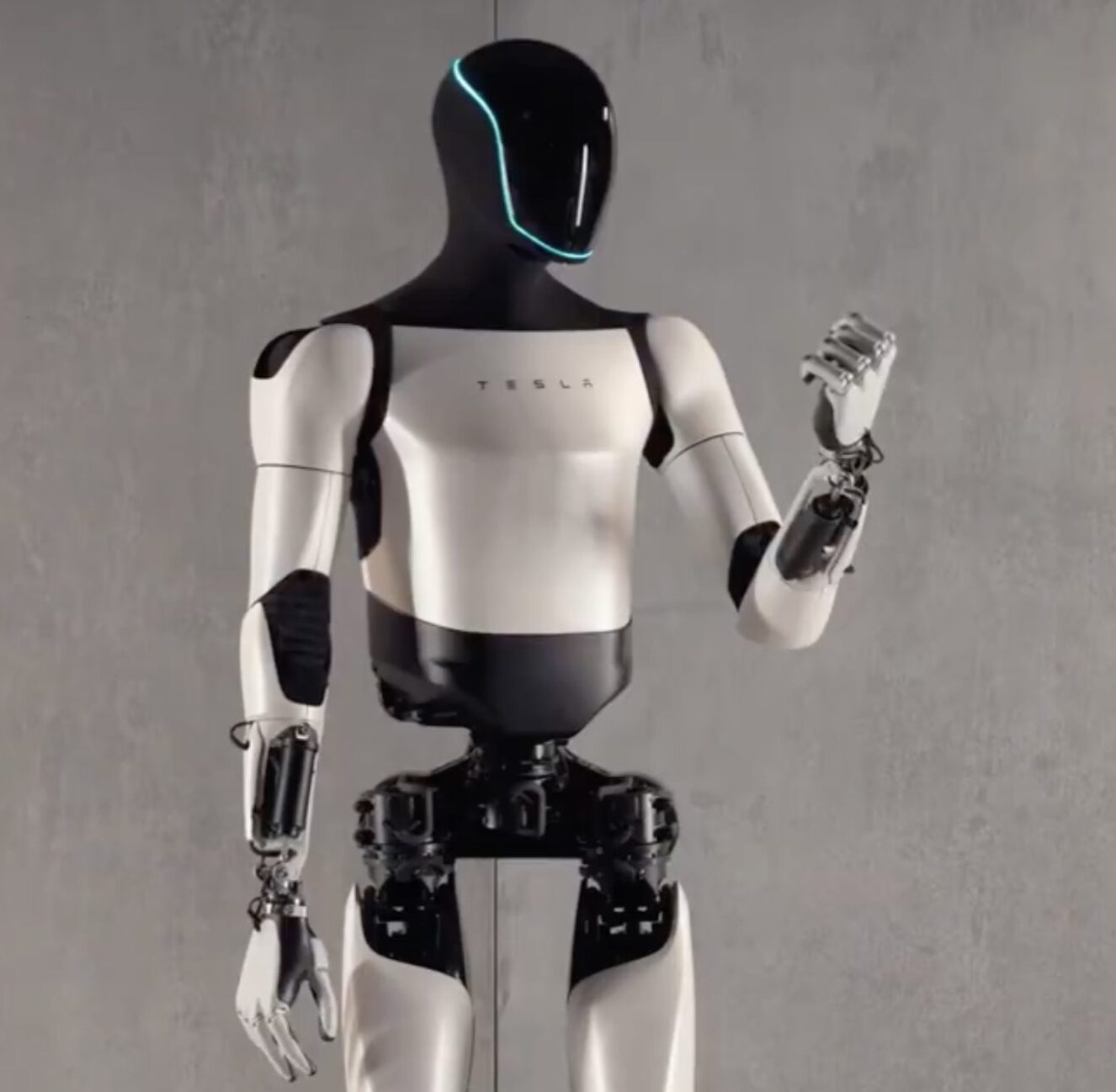
Musk described the end of Model S and X production as an "honorable discharge," emphasizing the company's evolution toward autonomy. Production of these models, built at the Fremont factory in California, will wind down next quarter, freeing up space for mass production of Optimus robots. The Fremont plant will continue producing Model 3 and Model Y vehicles.
Financial Context and Market Challenges
Tesla's 2025 fiscal year saw a 46% drop in GAAP net income to $3.8 billion from $7.1 billion in 2024, alongside a year-over-year decline in global sales. This marks the first time the company's annual revenue has fallen, attributed to intensifying competition in the EV market and economic pressures. Musk highlighted the need to focus on higher-growth areas like AI-driven autonomy and robotics to sustain the company's trajectory.
The Model S and Model X, priced around $100,000, have been foundational to Tesla's brand but represent aging offerings with underperforming sales. By phasing them out, Tesla aims to optimize production capacity for emerging technologies.
Focus on Optimus Robots
The repurposed Fremont factory space will be dedicated to producing Tesla's Gen 3 Optimus robots, with ambitions to manufacture up to one million units annually starting next year. These humanoid robots are designed for tasks that are dangerous, repetitive, or boring, potentially transforming industries like manufacturing and logistics. Musk envisions Optimus handling various roles, with the third-generation models expected to be unveiled soon and available for sale in 2027.
This shift underscores Tesla's broader strategy to become a leader in AI and robotics, beyond its EV roots. The company is also advancing robotaxi initiatives, with the Cybercab slated for production in 2026 and unsupervised operations already underway in Austin.
Industry Reactions and Implications
Analysts view this as a bold but necessary move amid Tesla's financial headwinds. By reallocating resources, Tesla positions itself at the forefront of the AI revolution, potentially offsetting EV market saturation. However, the transition raises questions about job impacts at the Fremont factory and the scalability of robot production.
Musk's vision for Tesla as an autonomy-focused entity could redefine the company's identity, moving away from being primarily an automaker. As EV adoption faces hurdles like infrastructure limitations and competition from rivals, robotics offers a new avenue for growth.
Future Outlook
Tesla plans to maintain its core EV lineup with Model 3 and Y while expanding into robotics and autonomous vehicles. The success of Optimus will depend on technological advancements and market acceptance, but Musk's track record suggests potential for disruption. Investors and industry watchers will closely monitor this pivot, which could set precedents for tech integration in manufacturing.
This strategic redirection highlights Tesla's adaptability in a rapidly evolving tech landscape, prioritizing innovation in AI over legacy products.