
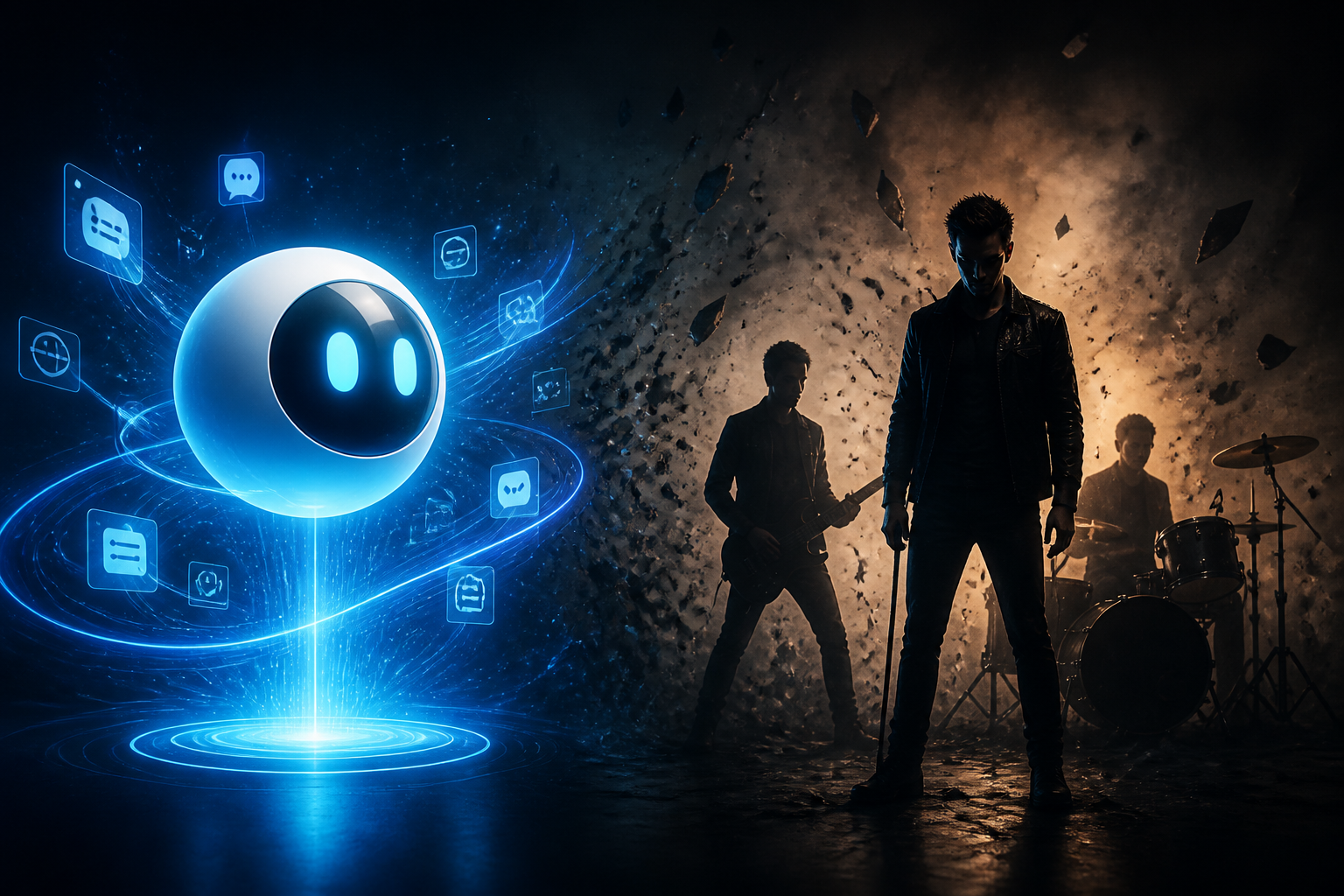
The Launch of Muse
On September 8 Meta rolled out Muse, a personal AI agent designed to operate across its family of apps while also accessing the open web. The system supports long-running tasks that can persist over hours or days rather than responding in isolated chat turns. Early descriptions indicate it can manage workflows that span Instagram, Facebook, WhatsApp, and external sites without requiring constant user supervision.
Engineers at Meta built Muse on top of the company’s existing large language model infrastructure. The agent maintains context across sessions and can schedule follow-up actions such as monitoring search results or compiling reports. Unlike earlier Meta assistants that stayed inside a single product, Muse is presented as a cross-platform entity that users can invoke from any Meta surface.
Handle Reassignment on September 9
The following day the rollout became a public spectacle. The British rock band Muse, which had maintained verified accounts under its name for more than fifteen years, discovered that its primary social handles had been transferred. On platforms including Instagram and Threads the username previously tied to the band now pointed to Meta’s new AI product. The change occurred without prior notification to the band’s representatives.
Meta’s internal policy on username reservation allows the company to claim handles that match upcoming product names. In this instance the decision was executed at scale, affecting multiple surfaces simultaneously. The band’s management confirmed the loss of access but offered no immediate legal statement. Within hours screenshots of the reassigned profiles circulated widely.
Why the Story Went Viral
The collision between a consumer AI launch and an established music act created an unusually clear example of naming friction. Fans of the band flooded comment sections demanding restoration of the original accounts. At the same time AI observers noted that Meta had chosen a short, memorable name already claimed in popular culture. The episode supplied ready-made visuals: side-by-side comparisons of the band’s historic posts and the new promotional material for the agent.
Algorithmic amplification played a role. Threads, one of the platforms where the handle change occurred, surfaced the story to users interested in both technology and music. The overlap generated thousands of replies within the first twenty-four hours. Industry analysts pointed out that similar username disputes have happened before, yet rarely on the same day a major product shipped.
Background on Meta’s AI Naming Choices
Meta has used several naming conventions for its models and agents. Earlier releases carried internal codenames such as Llama before moving to public labels. Muse represents a shift toward shorter, more human-sounding names intended to feel approachable. The choice aligns with broader industry trends where companies seek distinctive single-word identifiers that can function as product brands.
Trademark considerations normally precede such launches. Meta’s legal team typically reviews existing registrations in software and entertainment categories. The band Muse holds trademarks in music and merchandise, yet social-media handles fall under platform-specific terms of service rather than traditional trademark law. This distinction allowed the reassignment to proceed even while the band retained its legal rights elsewhere.
Reactions from the Band and Public
The band’s official channels, once restored on secondary accounts, posted a brief message acknowledging the situation. Supporters organized petitions asking Meta to return the primary handles. Some users created parody accounts that mimicked the AI’s promotional tone while referencing the band’s discography. The episode also prompted discussion among software engineers about namespace management inside large platforms.
Developers noted parallels with domain-name disputes from earlier decades. In those cases companies sometimes released handles after public pressure. Whether Meta will follow the same path remains unclear. Platform rules grant the company final authority over usernames, but sustained attention can influence internal review processes.
Implications for AI Agents and Branding
Muse’s technical capabilities highlight a move toward persistent, multi-app agents. The system’s ability to run tasks over extended periods raises questions about user consent and data handling across services. At the same time the naming incident illustrates practical limits on how freely companies can claim short, evocative words.
For software teams the episode serves as a reminder that product names must be checked not only against trademark databases but also against existing social and cultural usage. Automated screening tools can flag obvious conflicts, yet edge cases involving artists or legacy brands still require manual review. As more agents receive friendly names, similar overlaps are likely to recur.
Meta has not announced plans to expand the Muse agent beyond its initial markets or to alter its username policy. Observers expect continued iteration on the agent’s task orchestration features while the handle dispute receives separate legal and public-relations attention. The coming weeks will reveal whether the company treats the incident as an isolated communications issue or as a signal to refine its naming process.
Looking Ahead
The September 8 launch and September 9 handle change together demonstrate how quickly an AI product rollout can intersect with unrelated cultural assets. Teams building similar agents are now paying closer attention to external name availability. For users the story underscores that platform handles remain revocable assets controlled by the companies that operate them. The episode is likely to influence internal checklists at other technology firms preparing their own agent releases later this year.



