Twitch faces backlash for using streams to train Amazon AI
Announcement Details and Immediate Fallout
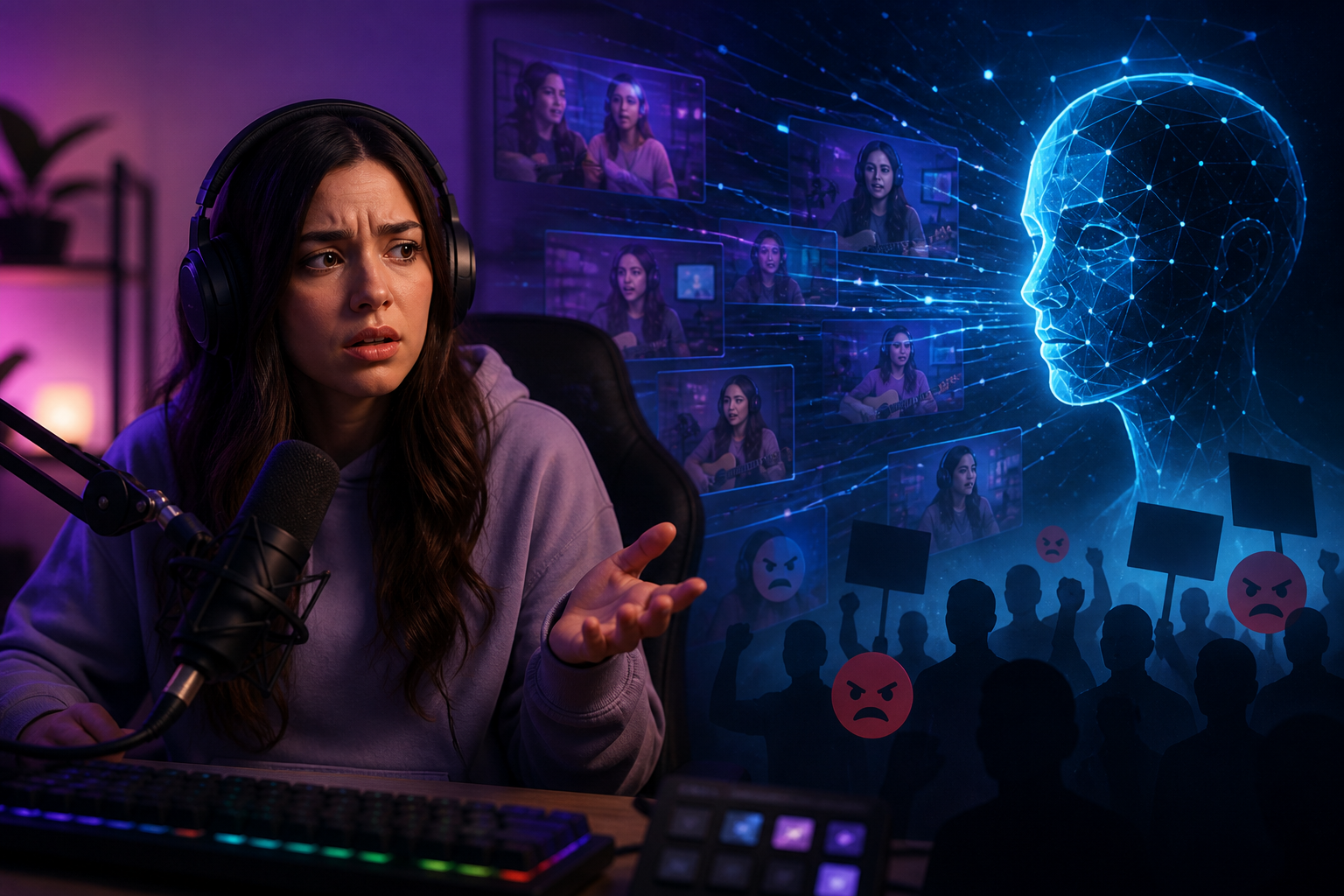
Twitch disclosed the policy update mid-week, stating that public broadcasts and associated metadata could train Amazon's internal generative models. The default setting enrolled all eligible accounts unless creators navigated to a specific privacy menu and disabled the option. Within hours, prominent streamers began posting screenshots of the toggle and urging followers to check their settings, turning the change into a trending topic across multiple platforms.
Technical Scope of Data Collection
The policy covers live streams, archived VODs, chat logs, clips, and channel metadata. For AI training pipelines this means audio waveforms for voice cloning, transcribed speech for language modeling, real-time chat sequences for conversational context, and visual frames for gesture or scene understanding. Software engineers familiar with large-scale data ingestion recognize that Twitch's existing content delivery infrastructure already normalizes these streams into object storage, making them readily available for downstream batch processing jobs without additional capture layers.
Why the Default Enrollment Triggered Backlash
Creators argued that an opt-out default presumes consent rather than requiring affirmative agreement. Many streamers treat their voice and on-screen persona as core professional assets; feeding that material into models that could later generate synthetic replicas raises both economic and reputational risks. Because the announcement coincided with broader industry debates about synthetic media, the timing amplified concerns that individual likenesses could appear in AI outputs without ongoing attribution or revenue share.
Background on Amazon's AI Ambitions
Amazon has invested heavily in foundation models that power both internal services and external offerings through AWS. Training data diversity improves model robustness across domains such as customer support dialogue, live-event summarization, and creative tooling. Twitch represents one of the largest repositories of unscripted conversational speech and interactive chat, making it attractive for reducing domain shift compared with curated text corpora. The integration therefore fits a longer pattern of Amazon leveraging its subsidiaries' data assets.
Creator Community Response Patterns
Streamers organized coordinated posts highlighting the opt-out path and sharing step-by-step navigation instructions. Some larger channels announced temporary pauses in VOD archiving until the setting could be verified. Smaller creators expressed worry that the volume of data they produce is modest yet still valuable for niche accents or gaming terminology, leaving them with little leverage to negotiate individual terms. Discussions also surfaced around whether past content uploaded before the toggle existed would be retroactively included.
Legal and Ethical Dimensions
Questions center on whether platform terms of service adequately cover secondary uses for model training under existing copyright and right-of-publicity statutes. Voice actors and performers have previously litigated similar issues in other contexts, establishing precedent that likeness usage requires clear authorization. Engineers building data governance systems note that audit trails for each training example become essential once consent can be revoked, yet few public details exist on how Amazon plans to honor future opt-outs or deletion requests after models have already been trained.
Opt-Out Implementation Mechanics
The setting appears under account privacy controls and applies at the channel level. Once disabled, new content should be excluded from future training runs, although the exact latency between toggle change and pipeline exclusion remains unspecified. No API endpoint or bulk preference export has been documented, forcing individual creators to manage the choice manually across multiple accounts. This design choice contrasts with more developer-friendly approaches that expose granular data-use flags through partner APIs.
Implications for Platform Economics
Twitch has long positioned itself as a creator-first service, yet the data policy underscores the value of user-generated content as a raw material for higher-margin AI products. If significant numbers of creators opt out, the remaining dataset may skew toward less popular or less interactive streams, potentially reducing model quality for conversational tasks. Conversely, widespread participation could accelerate Amazon's ability to ship differentiated voice and chat features inside Twitch itself, creating new monetization surfaces that might indirectly benefit participating creators.
Engineering Considerations for Data Provenance
Teams responsible for machine-learning data pipelines must now track consent metadata alongside each media object. A practical implementation might involve embedding consent flags into manifest files that accompany VOD segments, allowing training jobs to filter records at ingestion time. Without such mechanisms, compliance becomes a post-hoc filtering problem that increases both storage and compute overhead. The absence of public documentation on these controls leaves external observers uncertain whether provenance tracking has been implemented at the required granularity.
Forward Outlook and Industry Parallels
Similar data-use controversies have surfaced on other platforms that host user media. The pattern suggests that default enrollment will continue to face resistance unless companies shift toward granular, revocable consent models that integrate directly with creator dashboards. For software engineers building the next generation of multimodal systems, Twitch's episode serves as a reminder that data acquisition strategy must account for performer agency from the outset rather than as an afterthought. How Amazon iterates on the current toggle and whether it introduces revenue-sharing experiments will likely shape creator-platform relations for the remainder of the year.
Practical Steps for Affected Creators
Streamers are advised to review the privacy section of their channel settings immediately and confirm the current state of the training toggle. Archiving personal copies of VODs before any potential policy shifts is also prudent. Those running multiple channels or managing teams should document the setting for each account to avoid accidental re-enrollment during routine administrative changes. While the long-term effects on model outputs remain unknown, proactive management of the available control reduces immediate exposure.